Biometric Gateways Reshape Mobile Casino Reward Networks and Payout Verification
Written by Finley Weber · Oct 15, 2026
Biometric Gateways Reshape Mobile Casino Reward Networks and Payout Verification
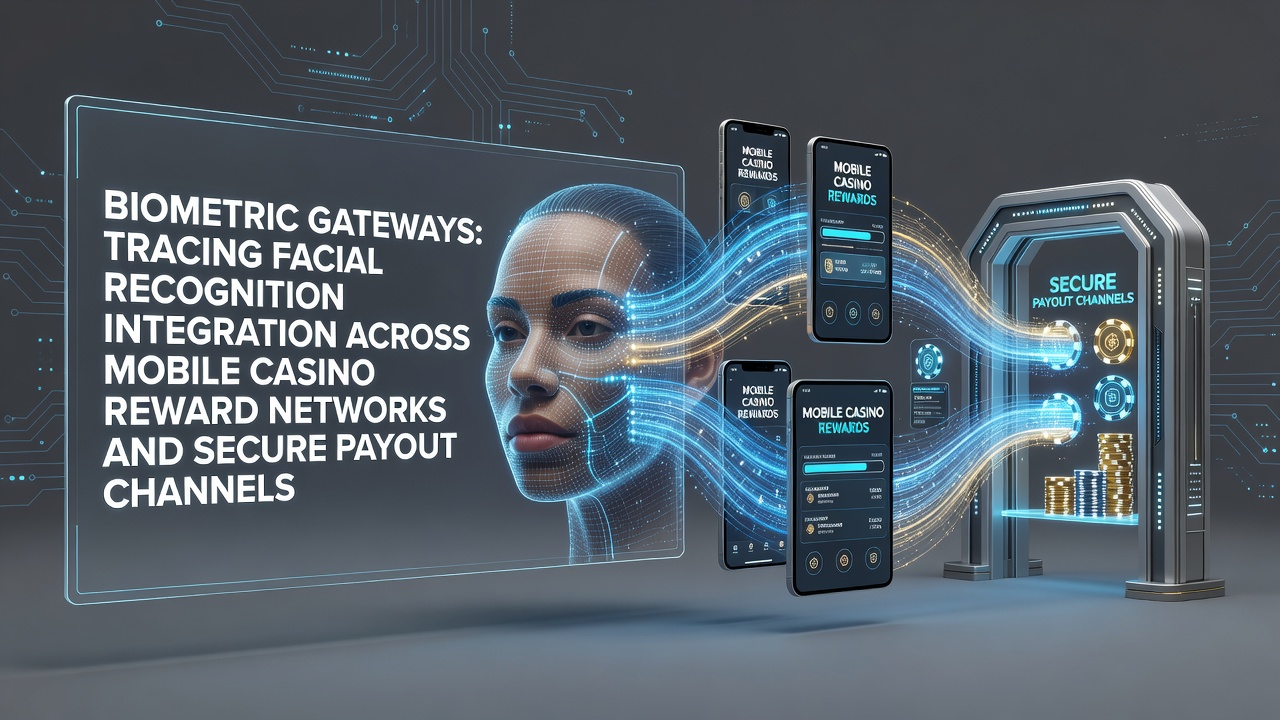
Biometric gateways have entered mobile casino operations through facial recognition tools that verify user identity at multiple points in reward collection and payout processing, and data from industry reports in October 2026 shows several platforms adopting these systems to meet regulatory standards across different jurisdictions. Researchers at academic institutions have documented how these gateways connect user devices with centralized verification servers, allowing operators to confirm account ownership before releasing bonuses or processing withdrawals.
Core Components of Facial Recognition in Casino Applications
Systems rely on algorithms that capture facial landmarks during initial account setup, then compare live images against stored templates during each session, while encryption protocols protect the data in transit between mobile apps and backend servers. Observers note that integration often occurs at reward redemption stages where users claim free spins or loyalty points, and similar checks appear before funds move through secure payout channels. Studies from research groups indicate that error rates have declined as machine learning models improve, although variations still exist depending on lighting conditions and device camera quality.
Connections to Reward Distribution Networks
Reward networks link player activity across slots and table games to centralized accounts, and facial recognition adds a verification layer that operators use to prevent unauthorized access or duplicate claims. One analysis of platform architectures revealed that these gateways trigger when bonus thresholds are reached, prompting a quick scan before credits appear in the player balance. Data shows that this process reduces instances of account sharing in multi-device environments, and several networks now require the step for high-value promotions distributed in mobile-first formats.
Secure Payout Channels and Verification Protocols
Payout systems incorporate the same biometric checks at withdrawal request points, where users must match their registered facial profile before transaction approval, and this step combines with existing methods such as two-factor authentication. Figures from transaction logs in late 2026 indicate that platforms using these combined safeguards process requests with fewer delays attributed to identity disputes, while maintaining compliance records for oversight bodies. Experts have tracked how gateways interface with banking partners, sending confirmation signals once facial data aligns with account details.
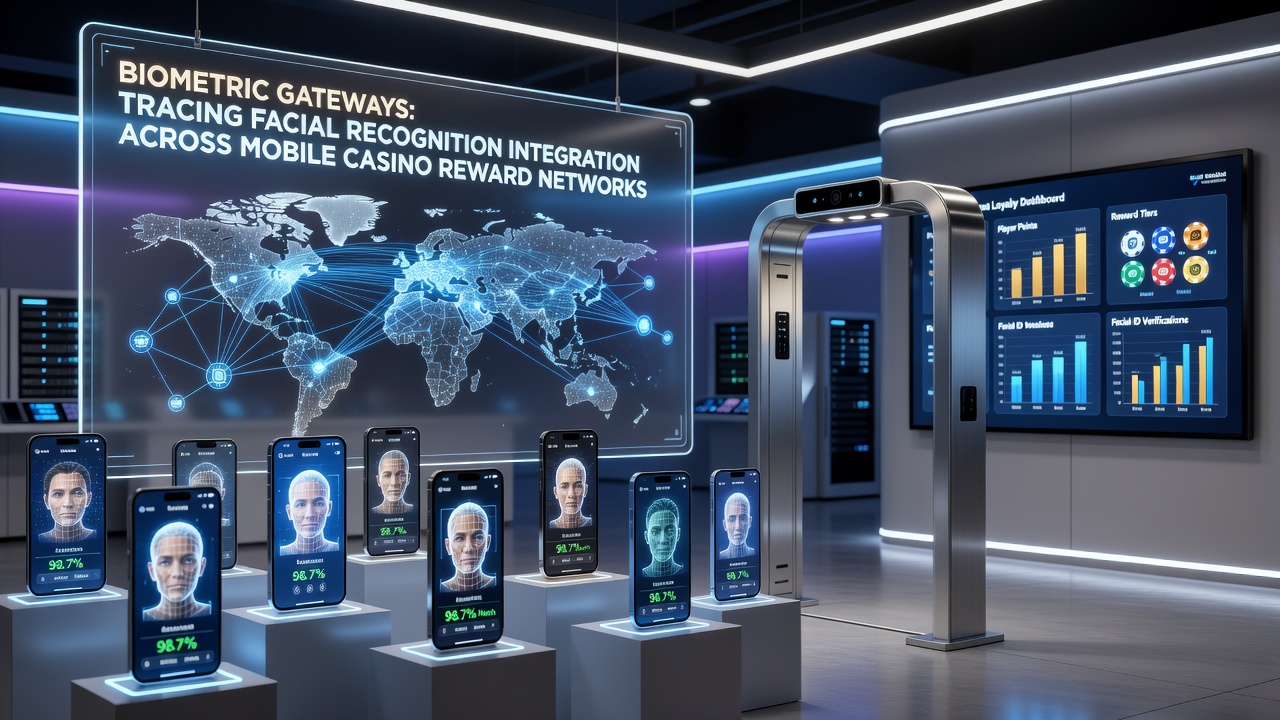
Regulatory frameworks in regions like Nevada and parts of Australia require documented audit trails for biometric data handling, and operators submit compliance reports that detail storage practices and deletion timelines. Those who have examined these frameworks point out that data retention policies often align with local privacy statutes, limiting how long facial templates remain accessible after account closure. Industry organizations have published guidelines that encourage standardized testing of recognition accuracy across diverse user demographics.
Implementation Patterns Observed in 2026
Platform operators have phased in biometric gateways alongside existing RNG validation and encryption layers, creating multi-tiered security models that address both reward eligibility and financial transactions. Case examples from mid-sized casino groups show that mobile apps now prompt facial scans at login intervals during extended sessions, particularly when reward balances exceed certain thresholds. Research indicates that these additions have coincided with expanded use of cross-platform loyalty programs, where points earned on one device transfer only after verification confirms the same user identity.
What's interesting is how the technology intersects with portable game providers, since many titles now embed hooks for biometric calls within their code, allowing seamless checks without leaving the game interface. According to reports from the Nevada Gaming Control Board, several licensed operators completed integration milestones by October 2026, with transaction volumes processed through verified channels rising steadily. A separate study from an Australian research institution examined user adoption rates and found that most participants completed the initial enrollment process in under two minutes when guided prompts appeared on screen.
Challenges and Technical Adjustments
Device compatibility remains a consideration, as older smartphones may lack the depth sensors that improve recognition performance in varied environments, and developers continue to refine fallback options such as PIN verification for those cases. Data from testing labs shows that false rejection rates drop when systems incorporate multiple capture angles during enrollment, and operators have adjusted their support documentation to include troubleshooting steps for common issues. Those who've monitored deployment note that training datasets now include broader representation of skin tones and facial structures to improve consistency across global user bases.
Future Integration Pathways
Developers are exploring tighter connections between biometric gateways and progressive jackpot networks, where eligibility checks could include facial confirmation before large prize distributions. Regulatory bodies in additional jurisdictions have begun reviewing similar standards, and trade associations continue to host workshops that share implementation benchmarks. Evidence suggests that ongoing refinements will focus on reducing data transmission times while preserving security levels required for payout approvals.
Conclusion
Biometric gateways continue to expand within mobile casino environments by linking facial recognition directly to reward networks and payout verification, supported by regulatory oversight and technical improvements documented through 2026. Operators, researchers, and compliance entities track these developments through shared data and standardized protocols that maintain system integrity across platforms.